- Athletic Brain Enhancement • Evidence-Based • Hopewell Junction, NY
Peak Performance Brain Training Unlock Your Competitive Edge by Training the Brain
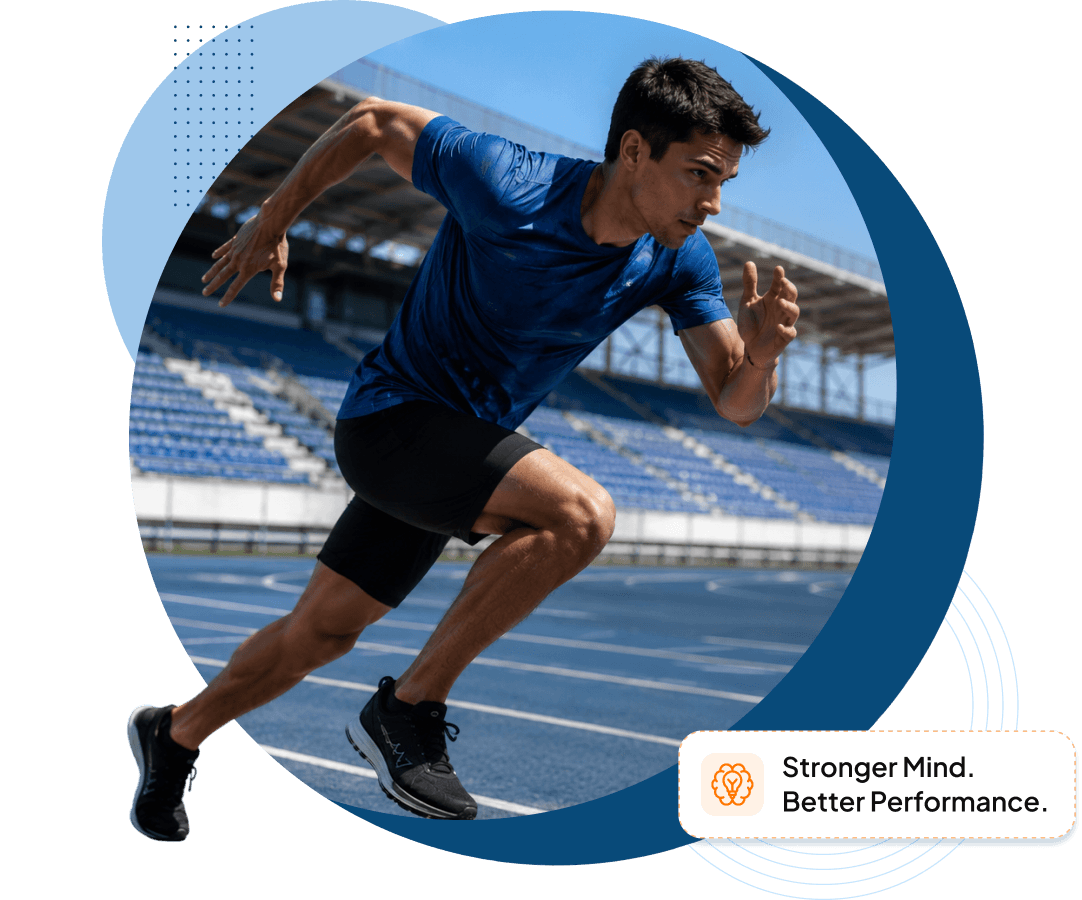
Athletes train their muscles every day. But what about the system that controls every movement, reaction, and decision? Our Peak Performance Mental Training Program strengthens the brain-body connection to help athletes perform at their highest potential.
- Why Brain Training?
Athletic Performance Begins in the Brain
The brain processes information, coordinates movement, controls balance, regulates emotions, and directs every muscle action. When communication between the brain and body becomes more efficient, athletes respond faster, perform more consistently, and maintain focus when it matters most.
Yet while most athletes spend countless hours training their muscles, very few train the system that controls those muscles. Our Peak Performance Mental Training Program uses advanced assessment tools and evidence-based technologies to address exactly that.
Brain Training Helps Athletes Improve
- Reaction speed
- Coordination & timing
- Cognitive processing speed
- Mental endurance
- Concentration & attention
- Balance & body awareness
- Motor planning & sequencing
- Emotional regulation under pressure
Train smarter. Perform better.
Peak performance happens when the brain and body work together efficiently producing faster reactions, sharper focus, better coordination, and greater confidence in competition and everyday life.
- Assessment
Every Athlete Starts With a Comprehensive Evaluation
Before any training begins, every athlete receives a targeted evaluation to identify specific areas limiting their performance. Results guide a personalized training plan tailored to the athlete’s sport, position, and performance goals.
Assessments May Include
- Visual tracking and visual processing
- Balance and coordination testing
- Sensorimotor integration
- Reaction time measurement
- Cognitive and neuropsychological functioning
- Mental and physical endurance
- Who It Is For
Built for Athletes at Every Level
Whether your athlete is a youth competitor, a high-performing student-athlete, or recovering from a concussion this program builds the neurological foundation that physical training alone cannot reach.
- Youth Athletes
- Competitive Athletes
- High School Athletes
- Collegiate Athletes
- Elite Performers
- Concussion Recovery
- Improved Focus & Performance
Neurofeedback and vestibular training within this program also support athletes during concussion recovery helping maintain mental sharpness throughout return-to-play timelines.
- Training Technologies
Five Evidence - Based Training Systems
Each athlete’s program draws from five advanced technologies – selected and combined based on individual assessment results and sport-specific performance demands.

Visual Performance Training
Visual tracking plays a critical role in athletic success across every sport. Visual assessments and exercises sharpen the skills that directly impact in-game performance.
- Eye tracking and visual scanning
- Visual attention and field awareness
- Processing speed for visual information
- Reaction time to visual stimuli
- Visual endurance over extended play

Interactive Metronome® Training
An evidence-based system that develops the neurological timing precision separating good athletes from great ones. Activities are customized to the athlete's specific sport and position.
- Timing and rhythm precision
- Motor coordination and planning
- Sensorimotor integration
- Reaction speed to auditory and visual cues
Heart Rate Variability & Breathing
Teaches athletes to regulate their own physiological responses — turning the ability to stay calm and composed under competitive pressure into a trainable skill.
- Diaphragmatic breathing techniques
- Heart rate variability (HRV) training
- Attentional control under stress
- Pre-competition stress management
Neurofeedback Training
Helps the brain learn more efficient patterns of functioning by providing real-time feedback on brain activity teaching athletes to shift into the optimal performance state on command.
- Improved attention and concentration
- Better emotional regulation under pressure
- Reduced performance anxiety
- Improved balance and coordination
- Concussion recovery support
Balance & Vestibular Training
Builds the strong balance system that every athlete relies on for stability, agility, and body control including combined NI-V2 training protocols where appropriate.
- Vestibular exercises and stimulation
- Progressive balance challenges
- Proprioceptive awareness activities
- Movement-based coordination drills
- Combined NI-V2 training integration
- Parent stories
Real Families. Real Results.
You’re not the first family to walk in feeling hopeless. And you won’t be the last to walk out feeling seen.
We spent years trying different programs, but this was the first place where our son truly felt understood. The changes in his confidence, focus, and communication have been incredible for our whole family.
Emma & Daniel
Parents of Liam, age 7
Our daughter used to dread reading and schoolwork. Now she proudly reads bedtime stories to her little brother. The patience, warmth, and support here made all the difference.
Sophia & Michael
Parents of Ava, age 9
We spent years trying different programs, but this was the first place where our son truly felt understood. The changes in his confidence, focus, and communication have been incredible for our whole family.
Emma & Daniel
Parents of Liam, age 7
- Questions parents ask us
Honest answers to the things you're actually wondering.
Regular athletic training develops muscular strength, endurance, and physical technique. Peak performance brain training develops the neurological systems that control all of those physical qualities — reaction speed, timing precision, visual processing, balance, emotional regulation under pressure, and cognitive processing speed. Most athletes never directly train these systems, which is why brain training produces gains that physical training alone cannot.
No. The comprehensive assessment determines which training technologies will be most effective for each athlete. The plan is built from assessment data — not a predetermined package. Some athletes will use two or three modalities; others will use all five.
Still have questions? We’d rather you ask than wonder.
- Take the first step
You don't need to have it figured out. You just need to start.
A free 30-minute conversation, no clipboards or scripts. Just us, you, and whatever you’re carrying.